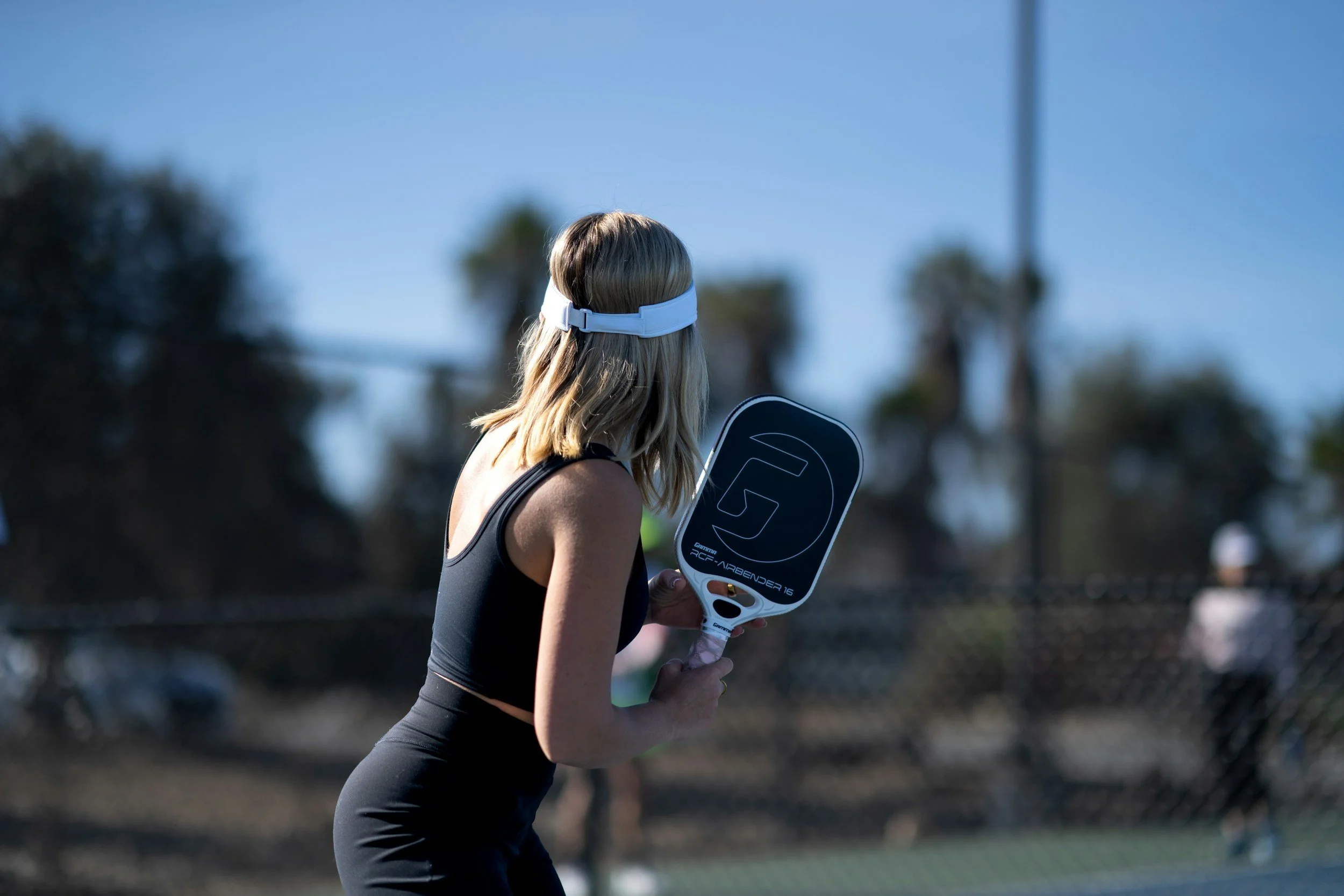
Pickleball is one of the fastest-growing sports in the country—and for good reason. It’s social, fun, and easy to pick up. But as more people discover the game, we’re also seeing a steady rise in pickleball-related injuries in clinics and emergency rooms.
The good news? Most of these injuries are preventable with a little preparation, smart movement, and the right training.
Why Are Pickleball Injuries Increasing?
Simply put: more players mean more injuries. Over the past decade—especially since 2020—medical visits related to pickleball have climbed sharply. Many injured players are recreational athletes in their 50s, 60s, and beyond who are active, motivated, and playing often.
That’s fantastic for overall health—but it also means joints, muscles, and balance systems are sometimes being asked to do more than they’re ready for.
The Most Common Pickleball Injuries We See
At Connect Physical Therapy & Pilates, these are the issues that show up most often:
Sprains and strains
Ankle sprains, calf pulls, hamstring strains, and sore quads are extremely common. Quick starts and stops, sudden lunges into the “kitchen,” and fast changes of direction can catch your body off guard—especially if you’re not warmed up.Falls and fractures
Falls are the leading cause of serious pickleball injuries. Wrist, shoulder, and hip fractures often happen when players lose balance or trip while moving quickly. This risk increases with age, changes in reaction time, or uneven court surfaces.Overuse injuries
Playing several times a week can overload tissues over time. We frequently see:Tennis elbow
Shoulder and rotator cuff irritation
Achilles pain
Plantar fasciitis
These injuries build slowly and are often ignored until they become limiting.
Knee and ankle injuries
Pivoting, shuffling, and lateral movement place stress on the knees and ankles—especially if there’s pre-existing arthritis or instability.Eye injuries (a growing concern)
This one surprises many players. Eye injuries from balls or paddles are becoming more common, particularly in doubles play where reaction time is short. Protective eyewear is increasingly recommended, especially for adult players.
How Do These Injuries Usually Happen?
Most pickleball injuries fall into a few simple categories:
Falls, often while reaching or moving backward
Sudden direction changes or lunges
Repetitive swinging motions
Direct contact with a ball or paddle
None of these injuries mean pickleball is dangerous—but they do highlight the importance of preparation.
Who Is Most at Risk?
You may be at higher risk if you:
Are 50+ and playing recreationally
Play frequently (2-3+ times per week) or have recently increased how often you play
Skip warm-ups
Have a history of injuries or balance issues
Haven’t done much strength or agility training
Simple Ways to Reduce Injury Risk
You don’t need to stop playing—but a few smart habits can go a long way.
Warm up before you play
A short, dynamic warm-up helps muscles respond faster and reduces strain.Build strength and balance
Strong legs, hips, core, shoulders, and forearms help protect joints. Balance training is especially important for fall prevention.Progress gradually
If you’re new to pickleball or returning after a break, ease in. Playing hard every day right away increases injury risk.Wear the right shoes
Court shoes with good lateral support can reduce ankle and knee injuries.Work on movement and technique
Better footwork and swing mechanics reduce stress on joints and tendons. Even brief coaching can make a big difference.Consider protective eyewear
Eye injuries are on the rise, and protective glasses are a simple way to reduce risk—especially in doubles play.
When Should You Get Checked Out?
Seek medical care if you have:
Severe pain, a visible injury, or can’t bear weight
A fall with wrist, hip, or shoulder pain
Any eye injury or changes in vision
Pain that lasts more than 2 weeks or is worsening
Early treatment often means a faster, easier recovery.
The Bottom Line
Pickleball is a fantastic way to stay active—but it does place real demands on your body. Most injuries we see involve sprains, strains, falls, and overuse, especially in adult players. With proper conditioning, balance training, warm-ups, and awareness, many of these issues can be avoided.
Our goal at Connect Physical Therapy & Pilates is simple: help you keep playing the sport you love—strong, confident, and injury-free.
Don’t wait for an injury to slow you down. I hope to see you at one of our upcoming Pickleball Conditioning Workshops! It’s the best way to build the stability and power you need to win any friendly competition.